
Key Takeaways
- Not all cakes are designed for transport; structure and stability matter more than appearance
- Cakes with firm bases and minimal external elements are safest for cake delivery in Singapore
- Soft fillings, tall builds, and intricate decorations increase delivery risk significantly
- A reliable cake shop will often recommend designs based on delivery conditions
- Customers should align expectations with what can realistically survive transit
Introduction
Choosing a cake is no longer just about flavour or design. Due to the rise of cake delivery in Singapore, transport durability has become a practical factor that directly affects customer satisfaction. Cakes move through varying temperatures, traffic conditions, and handling stages before reaching the recipient. Due to this, certain cake types consistently perform well during delivery, while others are more prone to shifting, melting, or structural damage. Knowing this difference helps customers make better decisions and allows any cake shop to manage expectations more effectively.
Safest Cake Types for Delivery
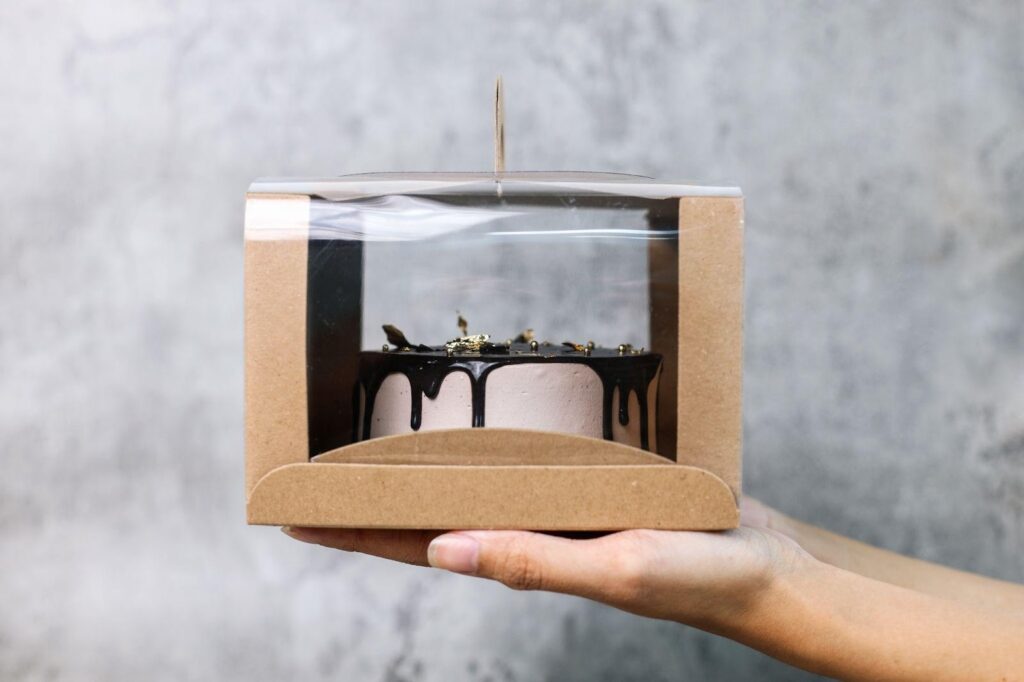
Cakes that travel well typically share three characteristics: structural integrity, controlled moisture, and minimal external fragility. Sponge-based cakes with firm crumb structures, such as butter cakes or pound cakes, are among the most reliable options. These cakes hold their shape during transit and are less sensitive to minor movement or temperature fluctuations. Once paired with stable frostings like ganache or buttercream, they create a compact and resilient product suitable for cake delivery.
Single-tier cakes with low height are also significantly safer. The lower centre of gravity reduces the likelihood of tilting or collapsing during transport. Sheet cakes and standard round cakes fall into this category, making them a preferred choice for both casual and corporate orders. A cake shop often recommends these formats for same-day or high-volume deliveries because they are easier to package securely and require less corrective handling upon arrival.
Another category that performs well includes minimally decorated cakes. Designs that avoid tall toppers, extended fondant work, or delicate sugar elements reduce the risk of breakage. Smooth finishes, simple piping, or enclosed designs are more predictable under delivery conditions. Additionally, cakes with fillings that set firmly, such as chocolate ganache or dense cream layers, are less likely to shift internally compared to lighter fillings.
Chilled cakes can also be safe if properly handled. Cheesecakes and mousse cakes, when adequately stabilised and kept within temperature-controlled packaging, can survive delivery effectively. However, their success depends heavily on logistics, including insulated carriers and shorter delivery windows.
Risky Cake Types for Delivery
Cakes become high-risk when they introduce instability, sensitivity to temperature, or fragile decorative elements. Tall, multi-tiered cakes are a primary example. While visually impactful, they are structurally complex and more vulnerable to vibration and uneven surfaces during transport. Even slight movement can cause internal shifting or leaning, especially if dowelling and support are not reinforced for delivery conditions.
Cakes with soft fillings or loose layers also present challenges. Whipped cream, custard, or fruit-based fillings tend to shift easily, particularly in warm environments.
Highly decorative cakes with external elements are another common risk category. Fondant figurines, sugar flowers, and extended toppers can detach or break during transit. Even if the cake base remains intact, cosmetic damage affects the overall presentation. A cake shop in Singapore may advise against complex decorative features for delivery orders unless customers are willing to accept potential imperfections.
Ice cream cakes and semi-frozen cakes are among the most temperature-sensitive options. After all, without strict cold-chain management, these cakes can melt quickly, leading to both structural and hygiene concerns. Delivery delays or exposure to ambient conditions can compromise the entire product.
Finally, novelty-shaped cakes with uneven weight distribution are harder to stabilise. Irregular bases and asymmetrical designs increase the risk of tipping or collapse, especially during longer delivery routes.
Conclusion
Cake selection should consider delivery realities, not just design preferences. The safest options prioritise stability, simplicity, and controlled composition, making them more reliable for cake delivery in Singapore. On the other hand, elaborate structures, soft fillings, and temperature-sensitive elements introduce higher risks that can affect both appearance and quality. A practical approach is to work with a cake shop that understands these constraints and can guide customers towards choices that balance visual appeal with transport durability.
Place your next order with a team that treats cake delivery as part of the product—not just the final step. Visit Fieldnotes today.