
Key Takeaways
- Rhododendron honey behaves differently because of natural plant compounds
- Understanding its biological mechanisms helps buyers make informed choices
- Not all mad honey is the same; origin and composition matter
- Knowing what happens in the body reduces reliance on myths
- Informed buyers approach mad honey with curiosity and caution
Introduction
Interest in mad honey continues to grow, especially among people seeking rare or culturally significant foods. Yet many who want to buy mad honey pause at the same point: what actually makes it different, and why does it affect the body in unusual ways? Without this understanding, purchasing decisions are shaped by stories rather than substance. By looking at how plant compounds interact with the human body and why effects vary, it offers a grounded perspective for anyone considering whether and how to get rhododendron honey.
What Makes Rhododendron Honey Biologically Distinct
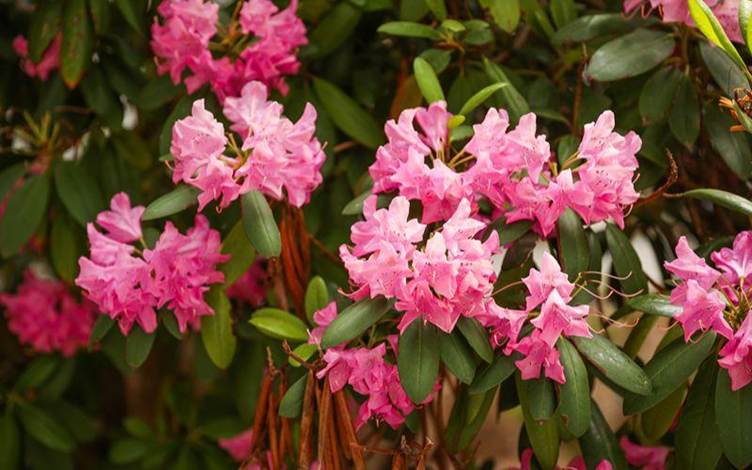
Rhododendron honey is produced when bees collect nectar from certain rhododendron species that naturally contain grayanotoxins. These compounds are not added or processed into the honey; they originate entirely from the plant. Grayanotoxins are neurotoxins that affect ion channels in cell membranes. This is the primary mechanism that sets rhododendron honey apart from other honey types. Understanding this biological foundation is essential before buying mad honey, as it explains why its effects are more than anecdotal.
How Grayanotoxins Interact With the Body
To understand mad honey, it helps to know how grayanotoxins work. These compounds bind to sodium channels in nerve and muscle cells, preventing them from closing properly. This alters normal electrical signalling in the nervous system. Symptoms such as dizziness, lowered blood pressure, and changes in heart rhythm occur when consumed in excess. This does not mean rhododendron honey is inherently dangerous. It does mean its effects are predictable at a physiological level, not mysterious. Buyers who understand this are better equipped to make measured decisions.
Why Effects Vary From One Batch to Another
The concentration of grayanotoxins depends on several variables: plant species, altitude, climate, and harvesting season. As a result, two jars of rhododendron honey can differ significantly in potency. Traditional harvesting communities account for this variability through experience and restraint. For modern consumers looking to buy mad honey, recognising this natural variation is critical. It explains why generalised claims about effects are unreliable and why moderation is consistently emphasised in scientific sources.
Taste, Colour, and Chemical Clues
Rhododendron honey has a more bitter or astringent taste compared to conventional honey. This flavour profile is linked to its chemical composition rather than spoilage or poor quality. Bitterness in honey can correlate with the presence of bioactive compounds. While taste alone cannot determine potency, it offers contextual clues. For those choosing to buy mad honey, sensory differences should be understood as indicators of origin rather than marketing features.
Separating Mechanism From Myth
Mad honey is frequently associated with exaggerated claims, both positive and negative. Some portray it as a natural cure-all. Others frame it as dangerously unpredictable. Neither view reflects scientific consensus. Adverse reactions are dose-dependent and typically resolve with supportive care. Buyers move past myths and focus on factual understanding when deciding whether to buy mad honey.
Why Informed Purchasing Matters
Buying rare foods without understanding their properties increases the risk of misuse. In the case of mad honey, lack of awareness can lead to inappropriate consumption rather than appreciation of its cultural and botanical context. The importance of consumer education for foods containing naturally occurring toxins. Applying this principle to rhododendron honey reframes purchasing as an informed choice rather than a novelty. Knowledge becomes part of responsible consumption.
Contextualising Modern Availability
Historically, mad honey was consumed within communities familiar with its effects. Today, global availability changes that context. Online access allows more people to buy mad honey without cultural or experiential reference points. This shift increases the importance of transparent information.
How Understanding Mechanisms Supports Better Decisions
When buyers understand how rhododendron honey works at a biological level, decisions become more deliberate. Rather than asking whether mad honey is “good” or “bad,” the question becomes whether it is appropriate for individual circumstances. For those considering whether to buy mad honey, understanding mechanisms helps align curiosity with responsibility.
Conclusion
Mad honey is defined by biology. Its unique properties stem from naturally occurring compounds in rhododendron nectar and their interaction with the human nervous system. By explaining these underlying mechanisms, rhododendron honey becomes easier to understand and less prone to myth-making. For anyone interested in whether to buy mad honey, knowledge is the most valuable starting point. Informed choices respect both the science behind the honey and the traditions from which it comes.
If you are exploring rhododendron honey and want to learn more about sourcing, background, and responsible awareness, get in touch with Maddest Mad Honey today.