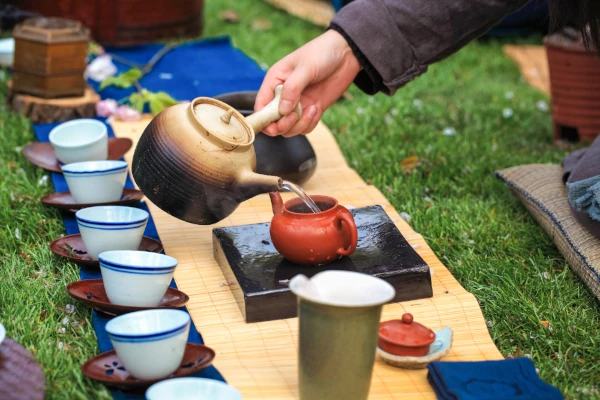
Korean tea culture is built upon centuries of refinement, mindfulness, and respect for natural harmony, and at its core lies the elegant practice known as Korean darye guide. Darye represents the traditional Korean tea ceremony, a cultural art form that emphasizes simplicity, humility, and mindful presence. More than just tea preparation, it is a structured yet natural ritual that reflects Korea’s deep philosophical connection between people, nature, and everyday life.
What is the meaning of Korean darye?
Darye, in Korean tradition, means “tea etiquette” or “tea rite,” and it refers to the formalized practice of serving and drinking tea with respect and awareness. Unlike highly rigid ceremonial systems, Korean darye is known for its simplicity and natural flow. It focuses on sincerity rather than strict formality. The purpose is to create harmony between host and guest while cultivating inner calm. Every gesture in the ceremony carries meaning, from pouring water to offering tea, reflecting respect and mindfulness.
How did Korean darye originate historically?
The origins of Korean tea guidetrace back over a thousand years, influenced by Buddhist monks who used tea for meditation and mental clarity. During the Goryeo dynasty, tea culture flourished in royal courts and aristocratic circles. It became associated with refinement, spirituality, and intellectual gatherings. In the Joseon period, Confucian values further shaped darye into a practice emphasizing humility and ethical conduct. Over time, despite periods of decline, the tradition survived and was later revived as an important cultural heritage practice in Korea.
What are the essential elements of darye practice?
Korean darye is built around several essential elements that reflect balance and mindfulness. Water quality is considered crucial, as pure water enhances the flavor and energy of tea. Teaware is chosen carefully, often consisting of simple ceramic or porcelain vessels that highlight natural beauty. The tea space is kept clean, quiet, and uncluttered to encourage focus and tranquility. Movements are slow and deliberate, symbolizing respect for both guests and the act of tea preparation itself. These elements combine to create a peaceful and meditative experience.
How is a traditional Korean darye performed?
A traditional darye ceremony begins with preparing the environment and arranging teaware in a balanced composition. The host heats water to an appropriate temperature and measures tea leaves with precision. Tea is then poured gently into cups, ensuring equal serving and thoughtful presentation. Guests receive tea with quiet appreciation, often engaging in soft, respectful conversation or silent reflection. The entire process is unhurried, allowing participants to fully experience the aroma, warmth, and taste of the tea. Every step emphasizes mindfulness and hospitality.
Why is Korean darye important in modern culture?
In today’s fast-paced world, Korean ceramics guideremains relevant as a practice of mindfulness and emotional balance. It offers a structured way to slow down, reflect, and reconnect with oneself and others. Cultural institutions and tea schools continue to teach darye as part of heritage preservation. It is also embraced globally as part of wellness and meditation practices. The ceremony’s simplicity makes it adaptable, allowing modern practitioners to integrate its principles into daily life.
Korean darye continues to serve as a bridge between tradition and modern living. It preserves centuries of cultural wisdom while offering practical tools for mindfulness and harmony. Through quiet gestures, thoughtful preparation, and shared tea, participants experience a deeper sense of connection and respect. This timeless ceremony reflects Korea’s enduring appreciation for balance, humility, and the beauty of simple moments.