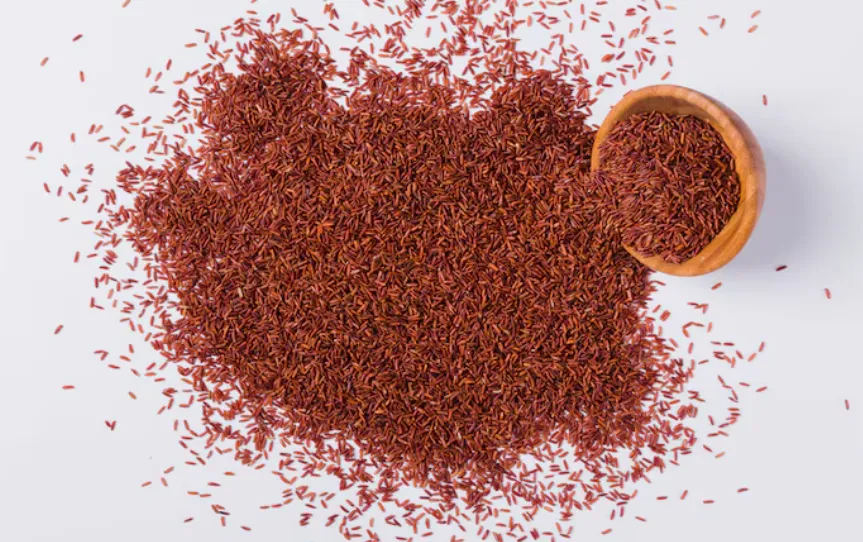
Some ingredients do not seem very exciting until the final product looks wrong without them. Color does that. It quietly changes how a snack, sauce, dairy item, or bakery filling feels before anyone even tastes it. A warm orange-yellow tone can make food look richer, fresher, and more complete in a second. That is why Annatto Extract still matters in food production. It is not just a color choice sitting in the background. It helps shape the whole first impression in a very direct way.
Warm shades usually work harder than people think.
A lot of food colors get talked about like they are just surface decoration. That misses the point. A good shade supports the product identity. If the color feels too harsh, the food can look artificial right away. If it feels too weak, the product may seem flat or old. Annatto Extract is useful because it gives warmth without always pushing the appearance too far. That kind of balance matters in real products where shelf appeal and visual comfort need to sit together.
Source matters more now than it did before
People read labels more closely now, even if only for a few seconds. They still react to what sounds familiar and what sounds overly technical. That small shift changed ingredient buying in a big way. A source like Annatto Extract feels easier for many brands to work into a cleaner ingredient story than some older artificial color options. It is not only about the final shade anymore. It is also about what kind of message the ingredient list sends when buyers flip the pack over.
Real production always makes things more complicated.
This is where pretty samples stop being enough. A color might look perfect in one small test and then behave differently when heat, oil, moisture, storage, or acidity start affecting the formula. That happens constantly in food manufacturing. Annatto Extract can perform very well, though it still has to be tested in the actual recipe. The product system matters. A dairy application, a snack coating, and a sauce all handle color a little differently, so the ingredient has to prove itself in real conditions.
Supplier support matters after the order arrives.
A supplier is not only useful when the sample first looks good. The real value often shows up later, when production teams have questions about shade strength, handling, dosage, or consistency. That is where a name like Foodrgb starts to matter more in practical terms. Companies do not only need ingredients. They need clear information and support that helps avoid unnecessary waste or repeated adjustments. A supplier who understands application issues can save more trouble than a lower price ever will.
Consistency is what keeps products recognizable.
This part is easy to underestimate. One beautiful batch means almost nothing if the next batch looks lighter, darker, or slightly off. Customers remember how a product is supposed to look, even when they do not say it out loud. That is why steady sourcing matters so much. Foodrgb fits naturally into that conversation because reliable repeat performance matters more than short-term excitement. With color ingredients, sameness in the best way possible is often what keeps the product feeling trustworthy on the shelf.
Conclusion
Color sourcing should never be treated like a tiny side decision because it affects appearance, product identity, and customer trust all at once. On foodrgb.com, organizations can take a look at element options with extra awareness on practical use, repeat batch consistency, and sensible help for actual production needs. Annatto Extract remains valuable because it gives food a warm, familiar tone that works across many categories without feeling too aggressive. Foodrgb also belongs in that discussion for teams comparing dependable supply and useful technical guidance. Review your product needs carefully and choose a color partner that truly supports long-term quality.